Discover the practice

What is Ashtanga?

To many people, Ashtanga sounds tough, strict, or only for the advanced. Nothing could be further from the truth. It is a warm, breathing practice where every level and every age can start — and keep growing.

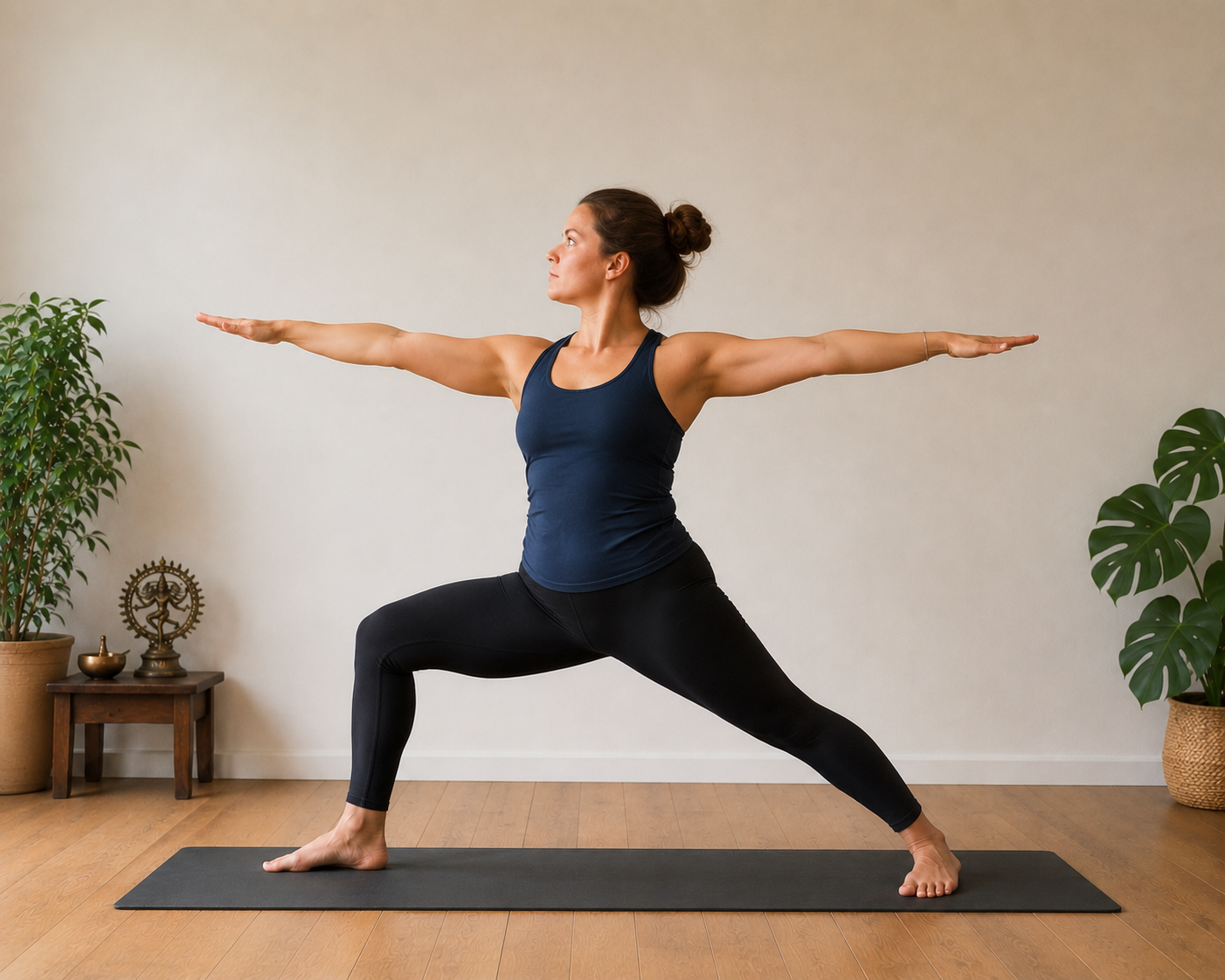
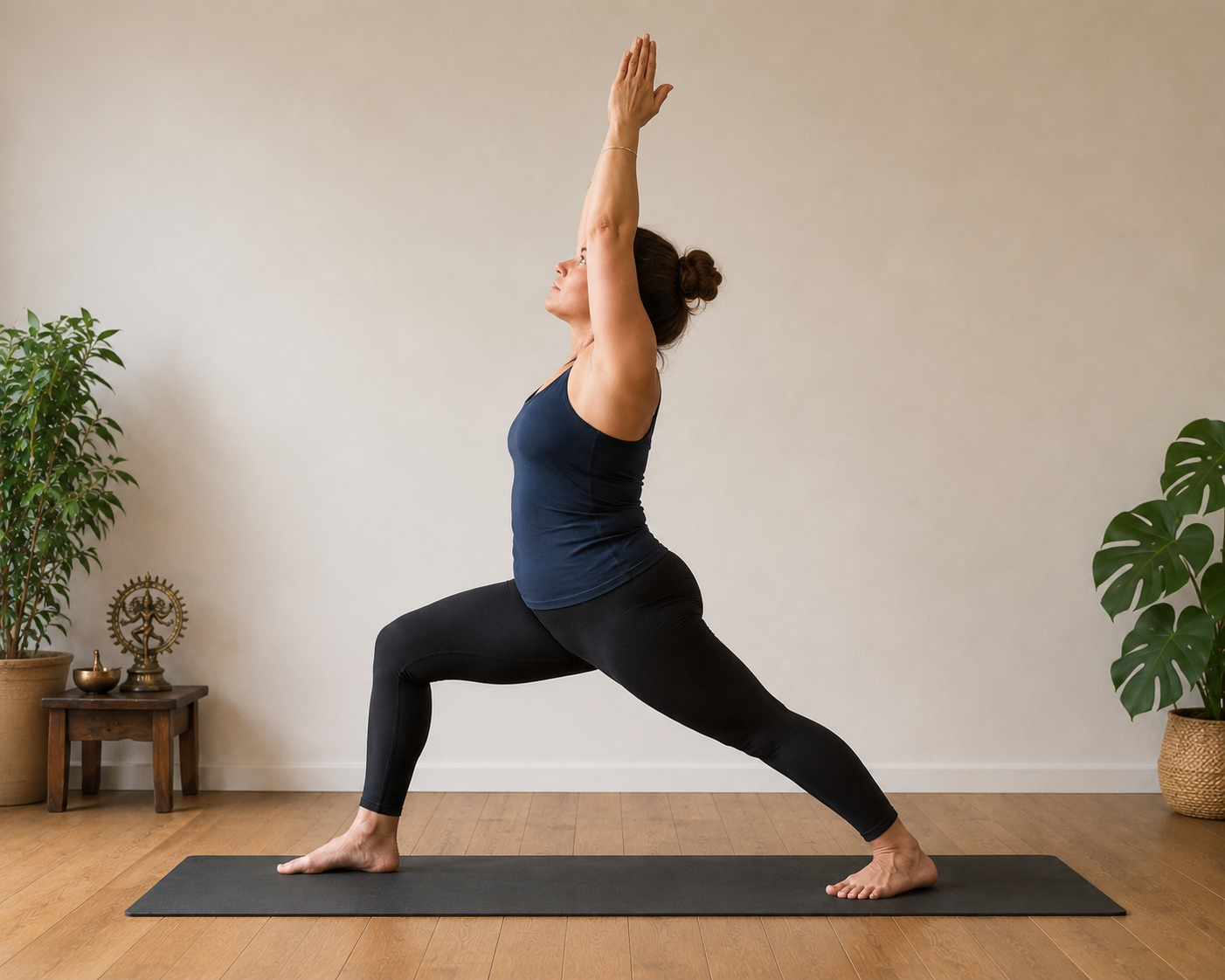
Yogi in Warrior A, a standing posture

Ashtanga is a flowing form of yoga in which you connect a set sequence of postures with your breath. Every inhale and exhale leads a movement — you flow from posture to posture rather than stretching at random. That fixed order is not a straitjacket but a gift: you never have to wonder ‘what comes next’, so your mind settles and your body learns the way on its own.

The word ‘ashtanga’ literally means ‘eight limbs’ (asta = eight, anga = limb). It refers to the eightfold path of the sage Patanjali. The postures on your mat — the asanas — are only one of those eight. Breath, attention, ethics and stillness belong to it just as much. So Ashtanga is far more than physical exercise; it is a complete path you can walk for a lifetime.

“When you inhale, you are taking the strength from God. When you exhale, you are serving the world.”

— Sri K. Pattabhi Jois

Maybe you have the wrong idea

Most doubts about Ashtanga are based on misunderstandings. Let's clear them up:

“I'm not flexible enough.”

Flexibility is not a requirement but a result. You don't need to touch your toes to begin — that comes on its own, posture after posture, breath after breath.

“It's far too hard.”

The practice is exactly as intense as you make it. The primary series is designed to heal and build up, not to break you. You set the pace.

“That's only for young, athletic people.”

People start in their twenties and well into their sixties. From very supple to quite stiff, with or without a yoga background: everyone finds their place on the mat.

“I have to be able to do the hard postures first.”

No. You learn the sequence step by step, at your own pace. Every posture has a gentler variation. You simply start at the beginning — that is enough.

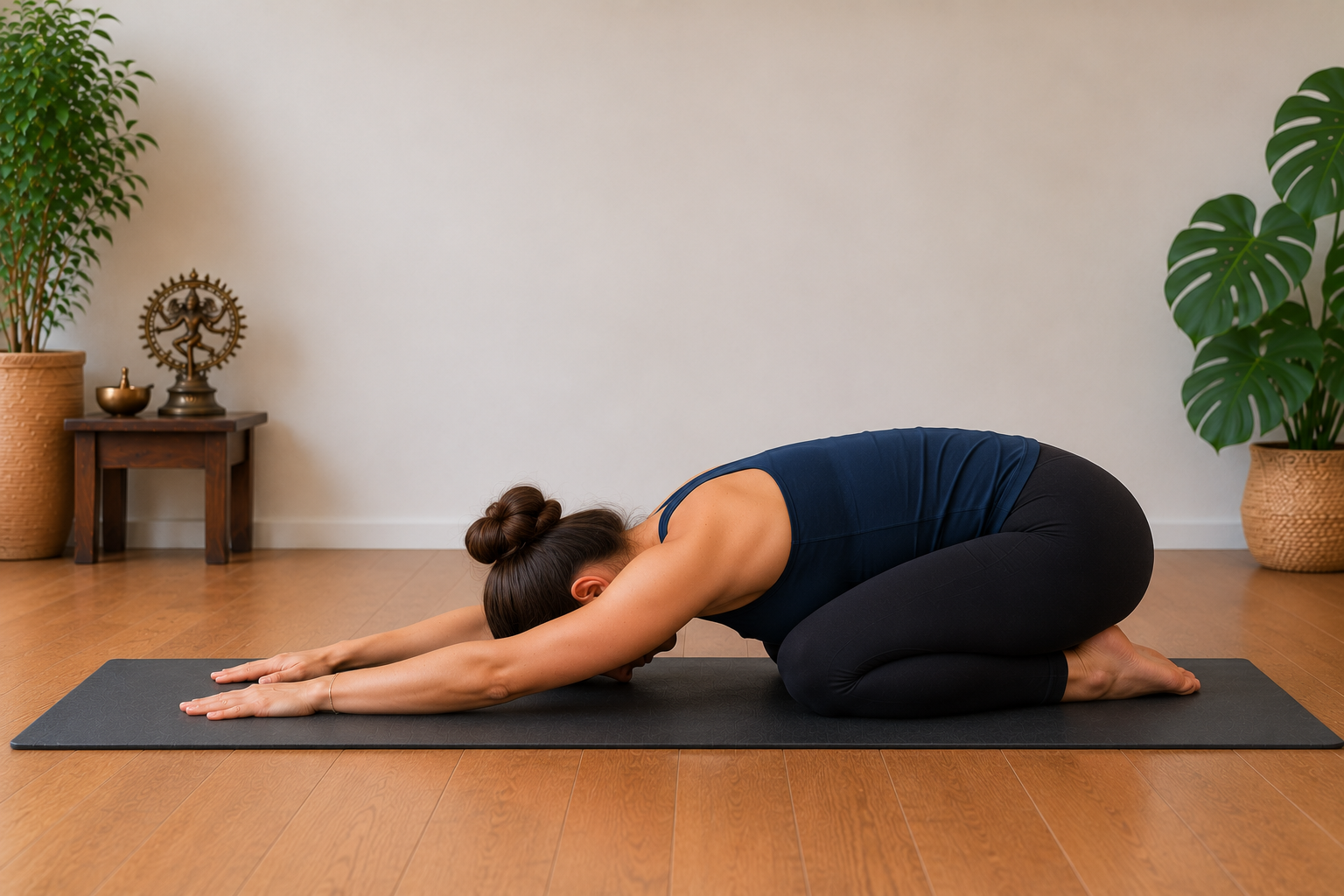
Yogi resting in child's pose
Balasana — child's pose. Rest is always allowed, whenever you want it.

You decide how hard or how gentle

This may be the most important thing to know: it isn't the teacher who decides how demanding your practice is — it's you. Ashtanga is a breath-led practice. You move to the rhythm of your own breath — calmly when you want calm, more powerfully when you feel like it. As long as the breath stays steady, you are doing exactly right.

The practice rests on three simple anchors, together called ‘tristana’: the breath, the bandhas (subtle muscular engagement that keeps you light and stable), and the drishti (a fixed point to gaze at). You need nothing more. Those three turn every class into a moving meditation, however gently or firmly you practise.

A Mysore-style class shows this beautifully: everyone practises at the same time in the same room, but each at their own pace and level. The teacher moves around and helps you personally, right where you are. No competition, no ‘keeping up with the group’ — just you, your breath and your mat.

Familiar shapes, step by step

The sequence is made up of recognisable postures you get to know slowly. A selection from the primary series:

Virabhadrasana B
Virabhadrasana B
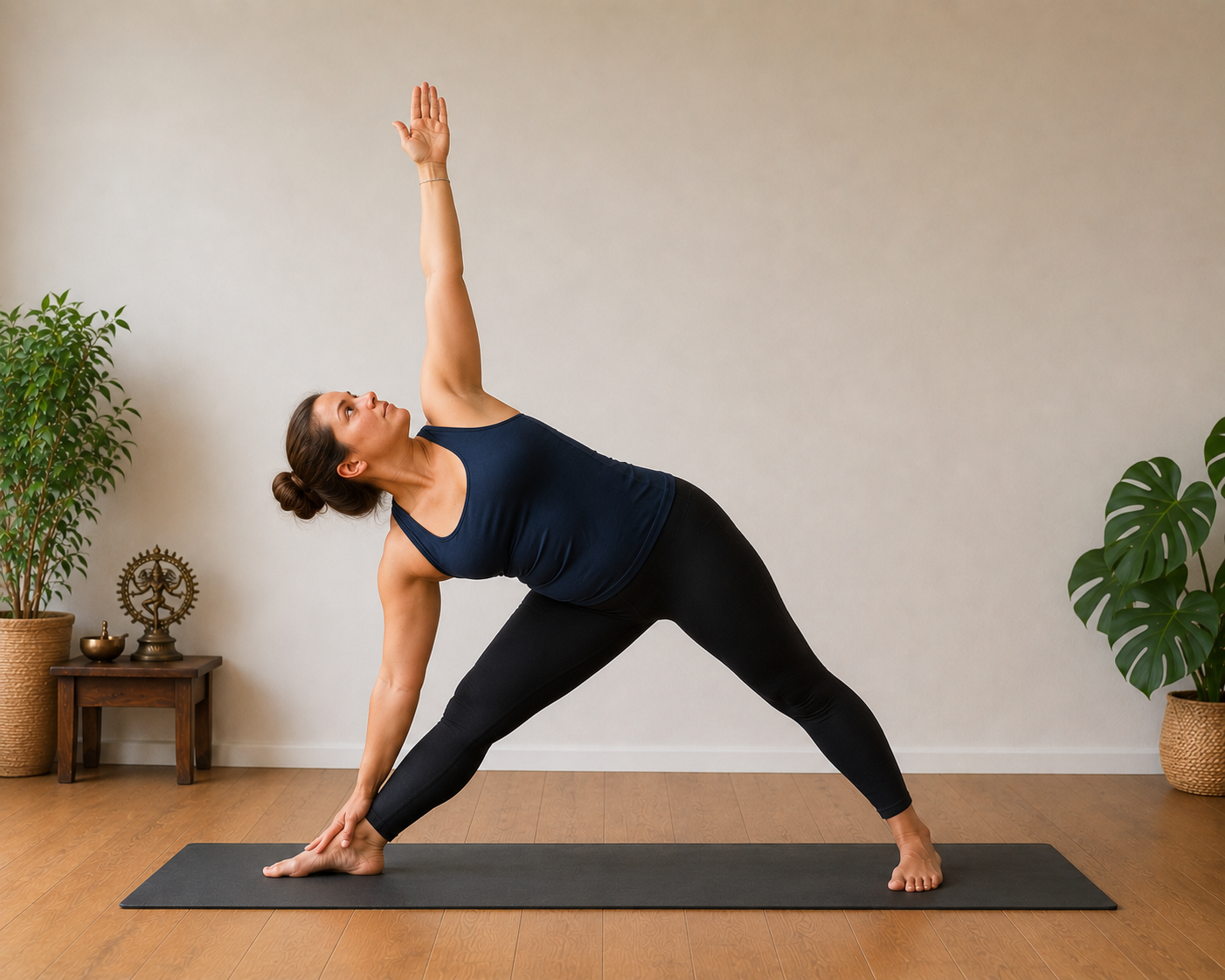
Trikonasana
Trikonasana
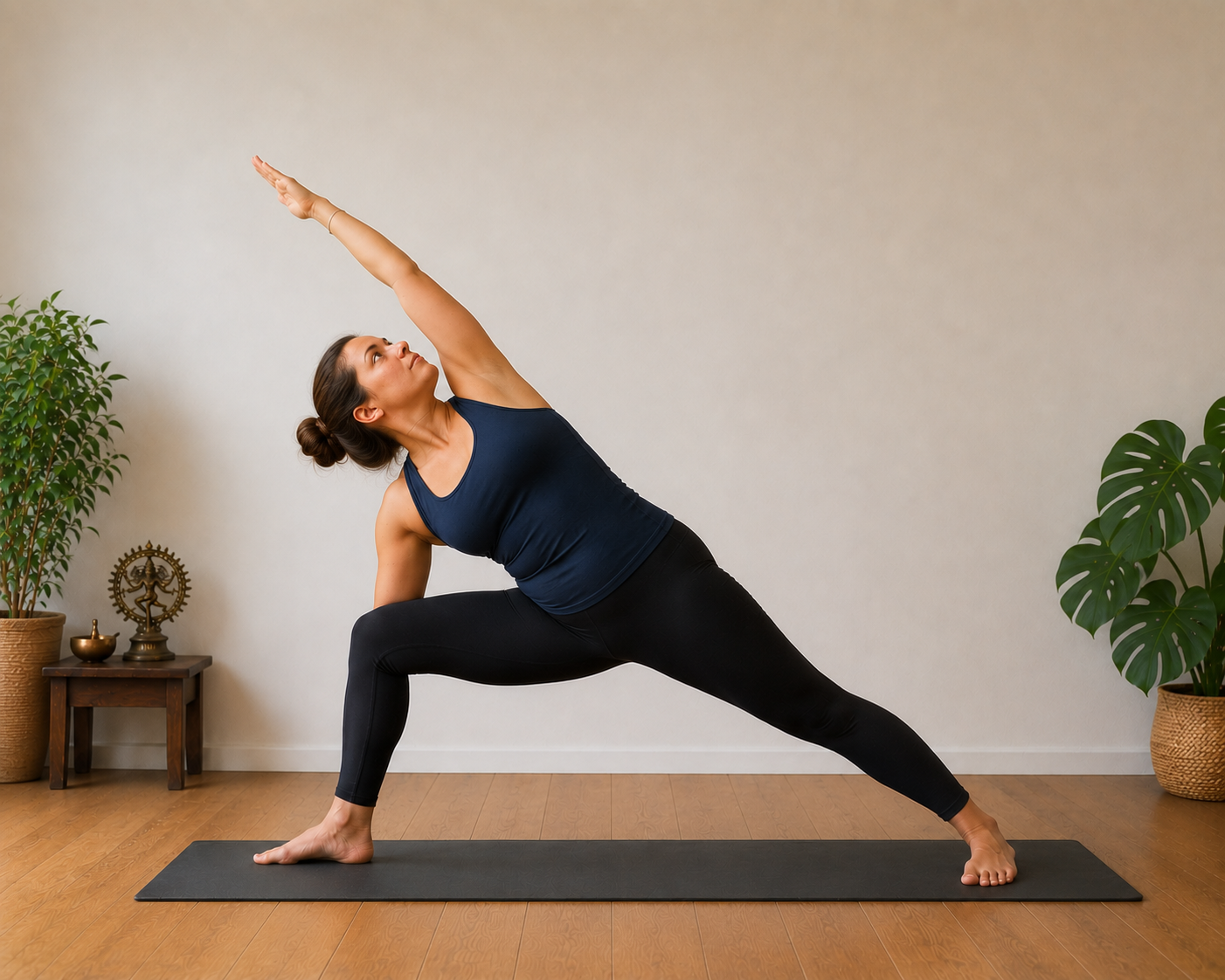
Utthita Parsvakonasana
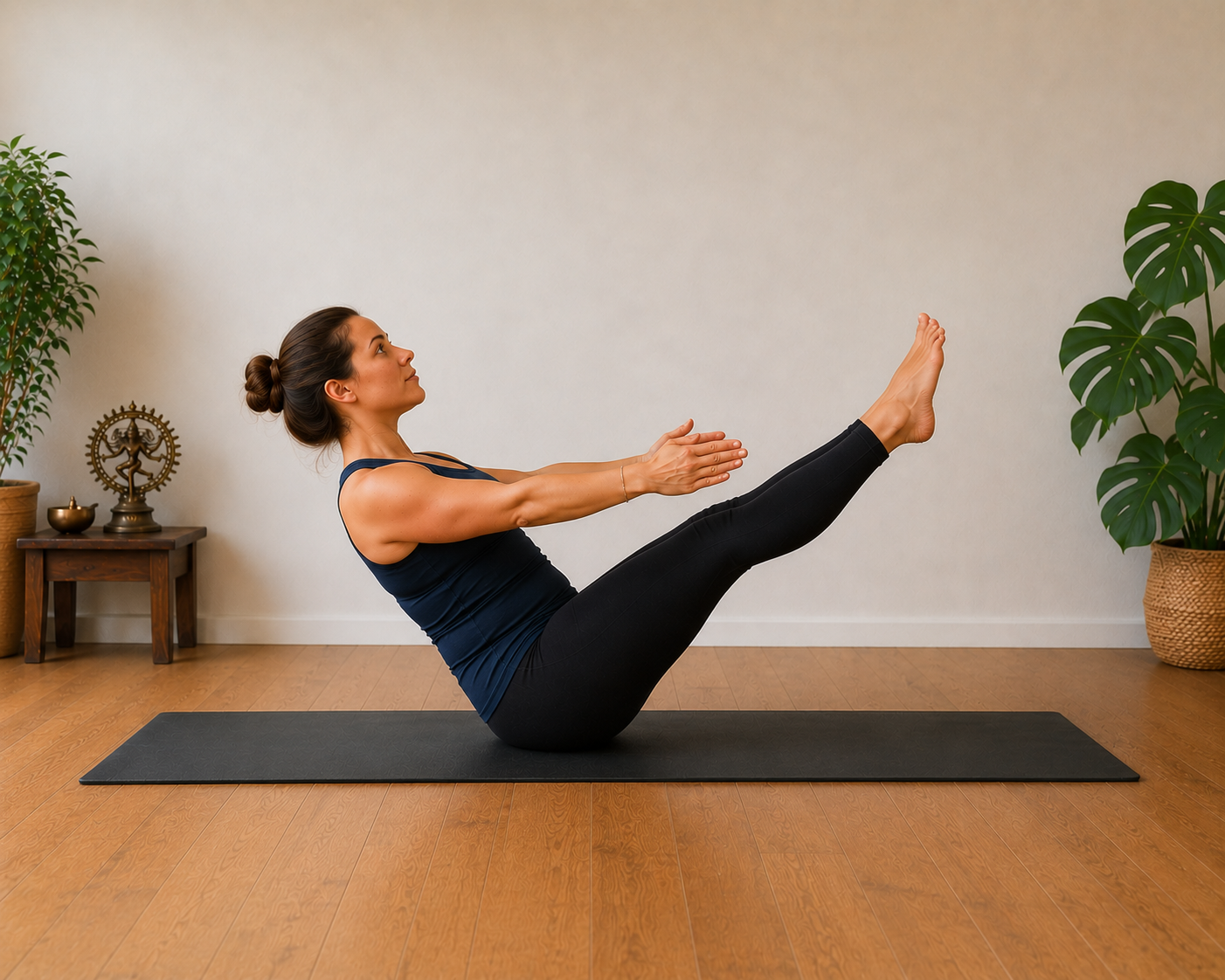
Navasana
Navasana
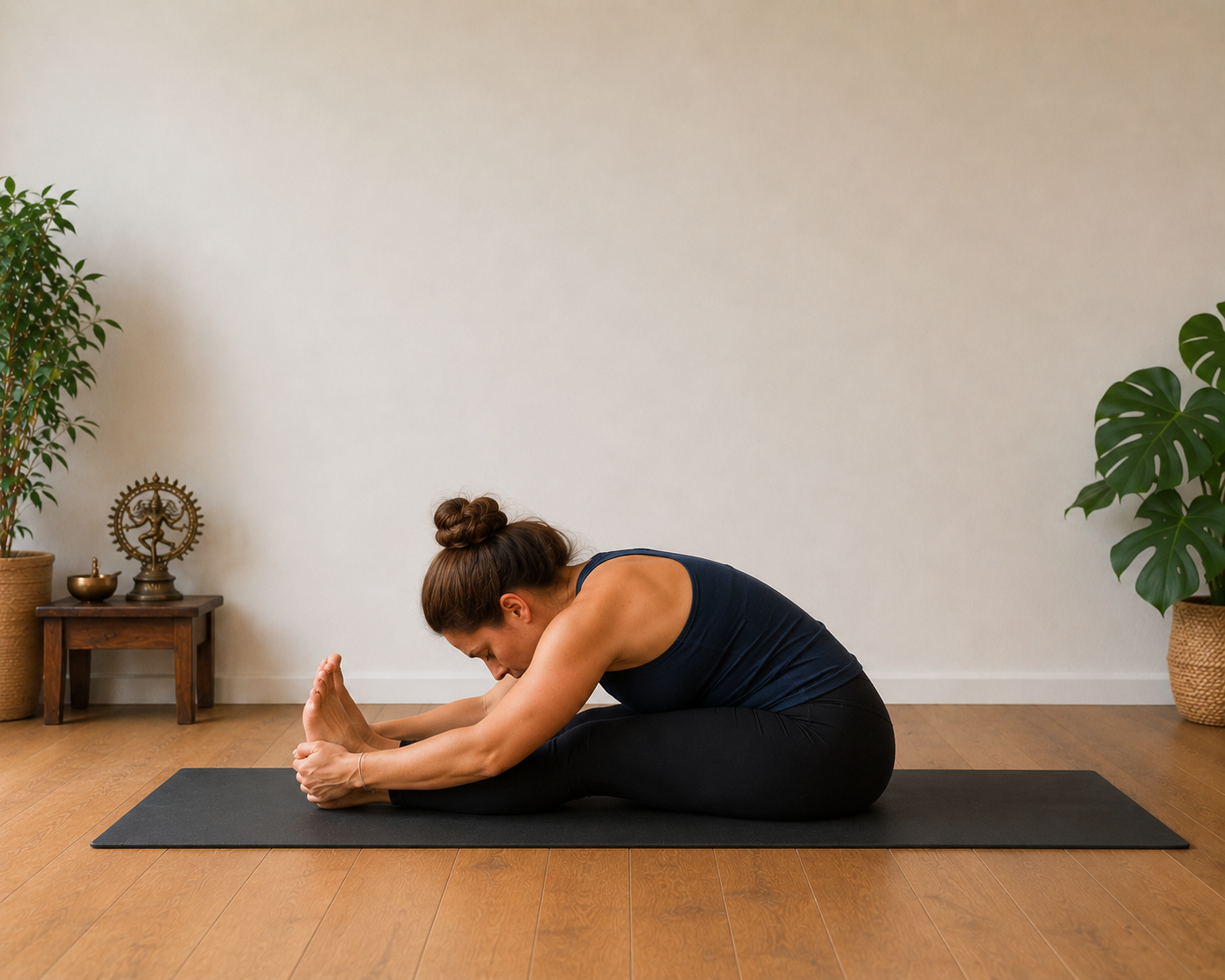
Paschimottanasana
Paschimottanasana
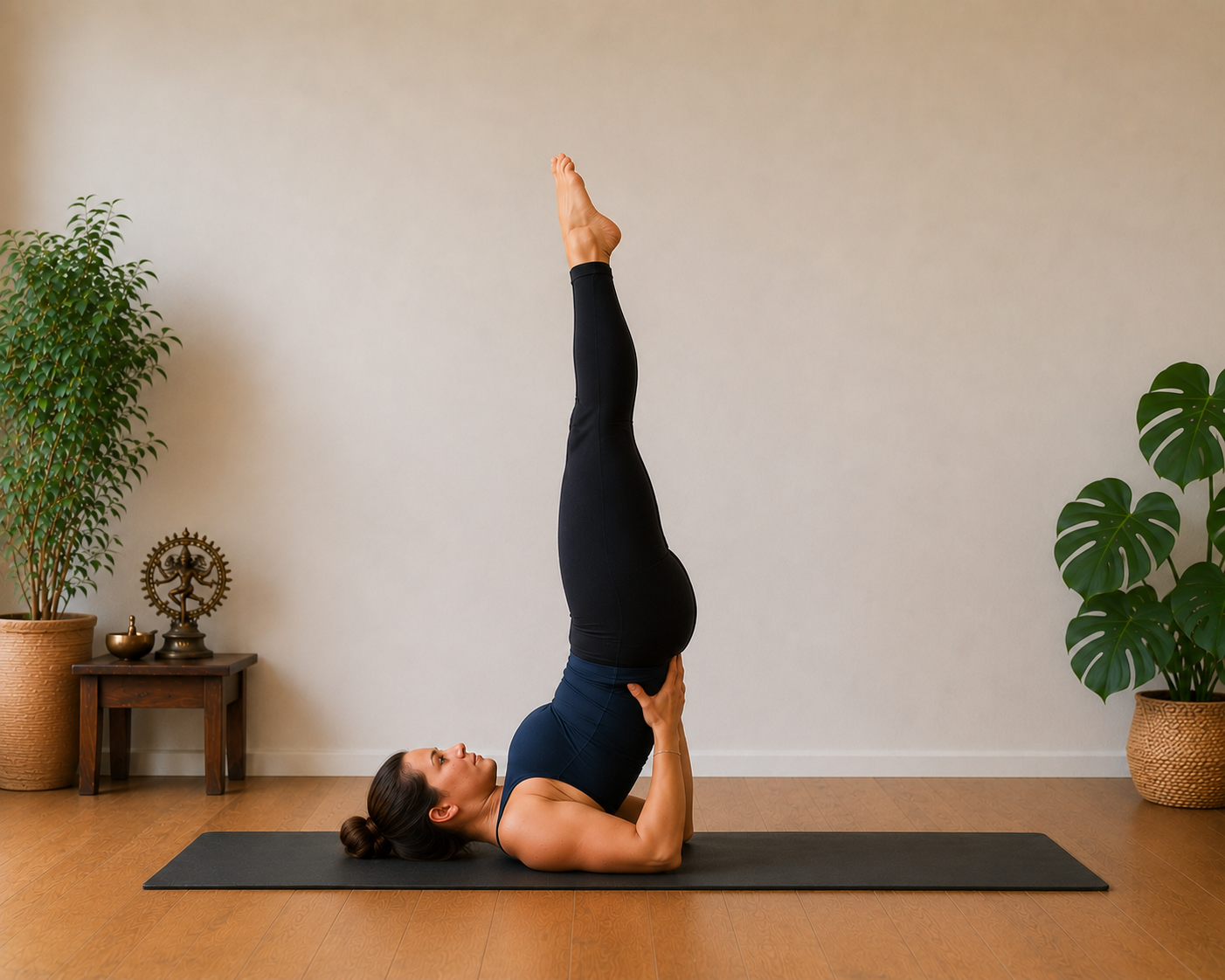
Sarvangasana
Sarvangasana

Every age, every level — for a lifetime

Ashtanga is not a practice you become ‘too old’ for one day. You adapt it to the body you have today: a variation here, a little extra support there, fewer postures during a busy week. That way the same sequence keeps moving along with your life — from your first tentative class to decades later. You begin today; you never have to stop.

And for the seasoned Ashtangi?

If you've long been at home on the mat, you know: the sequence never stays the same, even though the order never changes. The same posture feels different every day. The depth lies in the refinement — that one breath, that one point of attention, that subtle bandha that makes everything click.

The primary series is called Yoga Chikitsa — yoga therapy — for good reason. It keeps purifying and opening your body, year after year. And behind the asanas the other seven limbs are waiting: breath control, withdrawal of the senses, concentration, meditation. Ashtanga is a path that is never ‘finished’ — and that is exactly what makes it worth keeping up.
Further along the path

Advanced postures — not a goal in themselves

These shapes only come after years, if body and breath are ready for them — and they are emphatically not a goal in themselves. You are just as complete a yogi without them. We show them here to hint at where the path can lead, and to keep the seasoned Ashtangi inspired.

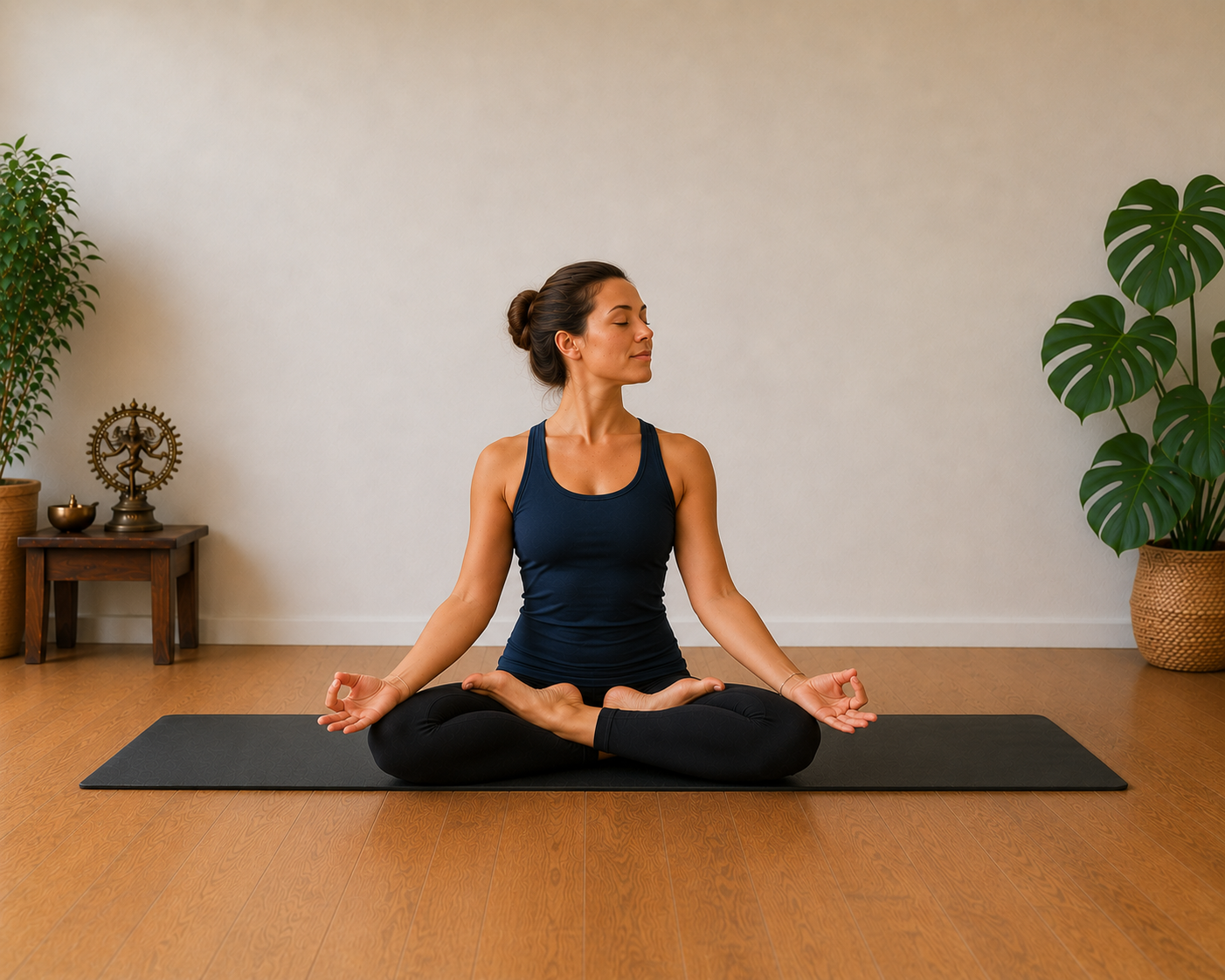
Padmasana
Padmasana
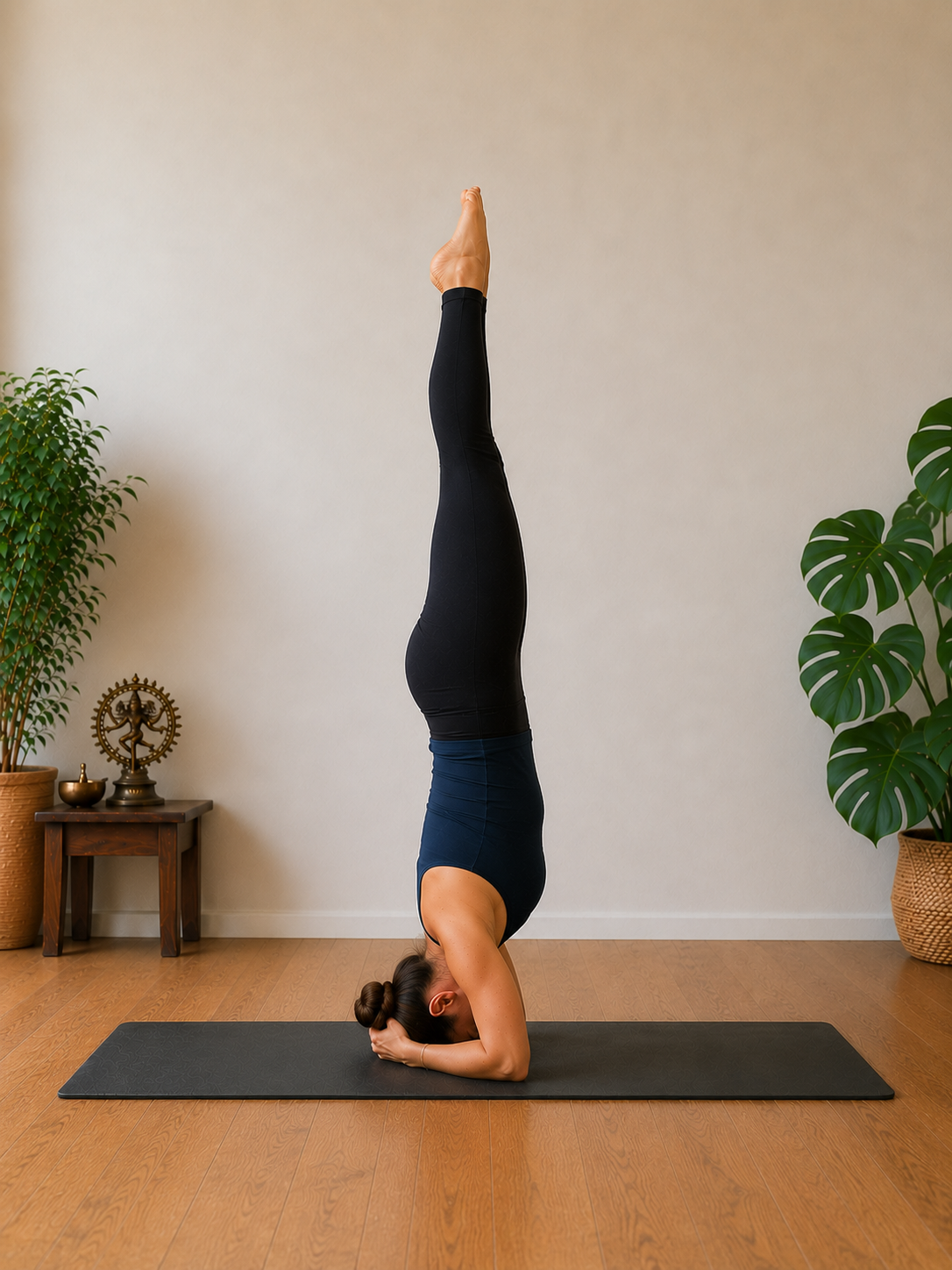
Sirsasana
Sirsasana
“Practice, and all is coming.”

— Sri K. Pattabhi Jois

Want to try it yourself?

Small groups, plenty of attention, and all the room to start at your own pace. You are welcome, exactly as you are now.

Er is een onverwachte fout opgetreden. Herladen 🗙

Verbinding met de server wordt hersteld...

Nog niet gelukt... nieuwe poging over seconden.

Verbinding mislukt.
De pagina wordt opnieuw geladen...

De sessie is gepauzeerd door de server.

De sessie kon niet worden hervat.
Probeer opnieuw of herlaad de pagina.